The Broker Belt: Why Northern Ireland Is Ready for Embedded Insurance Pilots

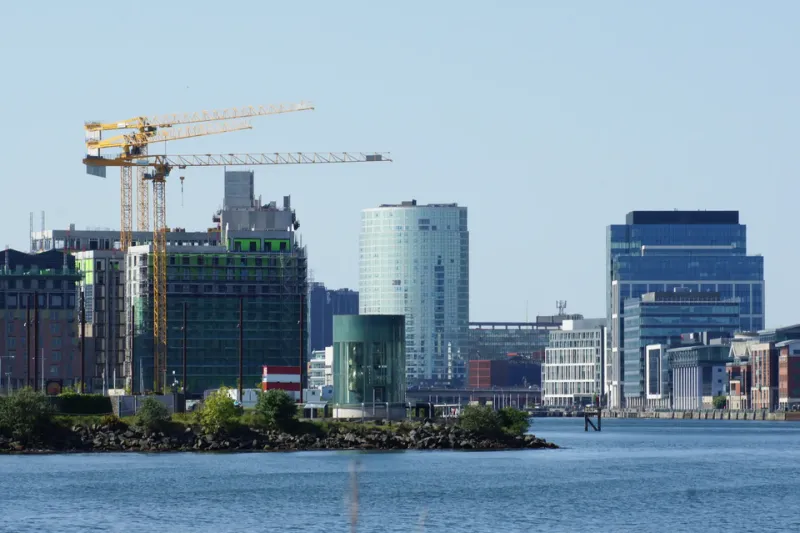
Photo by Photo by K. Mitch Hodge on Unsplash on Unsplash
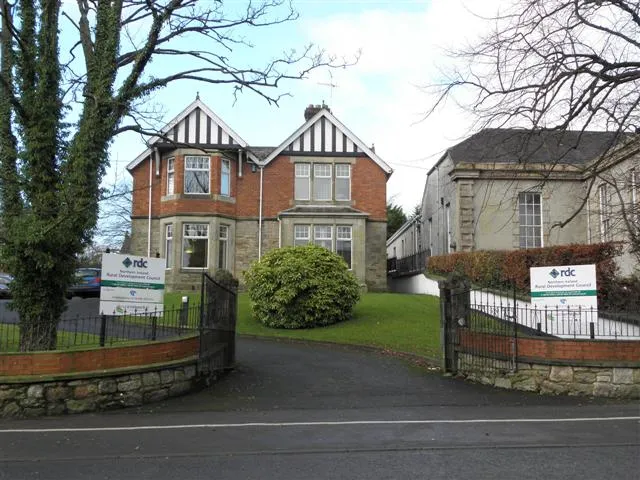
Northern Ireland is often described as over-brokered. In insurance terms, that is not an insult. The province has a dense network of SME-focused brokers, many of them outside Belfast, and a rural business base that relies on personal relationships, local knowledge and fast decisions. That combination is usually treated as a legacy feature. In 2026 it looks more like a distribution asset.
The gap is not appetite. It is product design. Consumer-facing insurtech remains thin in Northern Ireland, while the UK's insurtech map is still concentrated in London, Edinburgh and a handful of English cities. Founders looking for a low-cost pilot market often overlook the province because it looks small. That is precisely why it works. Northern Ireland is small enough to test a product with a handful of partners and dense enough to measure whether it works.
The broker belt is the route to market
Any insurtech that tries to go direct to rural SMEs in Northern Ireland will spend too much on acquisition and learn too little. The broker network already holds the relationship. It knows which farms need cover for machinery, which hauliers are exposed to fuel costs, and which food processors are under pressure from retailers. A digital platform that helps brokers quote, bind, adjust and claim faster is more likely to succeed than a consumer app that asks a farmer to start from scratch.
That does not mean brokers are ready-made distribution partners for every product. Many are small businesses with limited technology budgets and no appetite for experiments that distract from renewals. The entry point should be a product that makes their existing work easier or opens a new fee stream. Embedded insurance at the point of sale is one example. If an agricultural machinery dealer sells a tractor, the dealer already has the customer, the asset details and the finance conversation. A simple cover product attached to that sale can be administered by a broker behind the scenes.
Three concrete entry points
The first is embedded cover for agri equipment and rural trades. Machinery dealers, hire firms and repair businesses sell or finance expensive assets. They do not want to become insurers, but they can offer cover as part of the purchase. A managing general agent or appointed representative model can sit behind the dealer, with a broker handling conduct and claims. The product needs to be simple: theft, accidental damage, breakdown and replacement asset cover, priced at the point of sale.
The second is parametric cover for weather and forage risk. Northern Ireland's agri sector is exposed to rainfall, wind, temperature and grass growth. Traditional indemnity cover can be slow and evidence-heavy. A parametric product pays out when an independent index crosses a threshold, such as rainfall over a defined period or a temperature trigger. The trigger must be transparent and the basis risk explained. Brokers can distribute it to dairy, beef and sheep farms, while processors and merchants can offer it as part of a supply contract. Public weather data and local farm records can support design, but the product must be fair under Consumer Duty.
The third is a digital broker platform for SME renewals and claims. Many small brokers still run on email, spreadsheets and insurer portals. A platform that aggregates quotes, stores asset data, automates mid-term adjustments and provides a claims evidence trail could save time and reduce errors. It is less exciting than a consumer app, but it is more likely to generate revenue in a market where brokers control distribution.
What the pilot should look like
A credible pilot needs one broker, one distribution partner and one capacity provider. The broker brings conduct, customer relationships and claims handling. The distribution partner brings a stream of customers at the moment of need. The capacity provider brings underwriting appetite and regulatory cover. The insurtech brings the product logic, data and administration. Without all four, the pilot is a demo.
Founders should resist the temptation to launch a generalist insurtech in Belfast. A narrow product with a named partner is more valuable than a broad platform with no distribution. They should also budget for regulatory work. Depending on the model, that may mean becoming an appointed representative, partnering with an MGA, or working through a Lloyd's coverholder. The FCA does not reward informality, and Consumer Duty requires evidence that the product offers fair value.
Investors should look for distribution moats rather than pure technology. The winning insurtech in this market will own a workflow, a data set or a partner network that is hard to replicate. Northern Ireland's small size makes those moats visible early. A pilot that reaches a meaningful share of a sector in one province can be a credible proof point for a UK-wide rollout.
The province as a proving ground
Northern Ireland is not the prize. It is the proving ground. A product that works with a broker in Armagh, a machinery dealer in Tyrone and a dairy processor in Down can be adapted to Cumbria, Cheshire or Aberdeenshire. The province offers a compact test bed with real rural complexity: cross-border farms, fragmented land, weather risk and a broker culture that values personal service. That is a better starting point for embedded and parametric insurance than another London-focused direct-to-consumer app.
The insurtech gap is real, but it is not a gap in demand. It is a gap in products built for the distribution that already exists. Northern Ireland's broker heartland is the UK's most underrated digital insurance lab because it forces founders to solve the hard part first: getting the product to the customer through a trusted intermediary. That is not a limitation. It is the point.